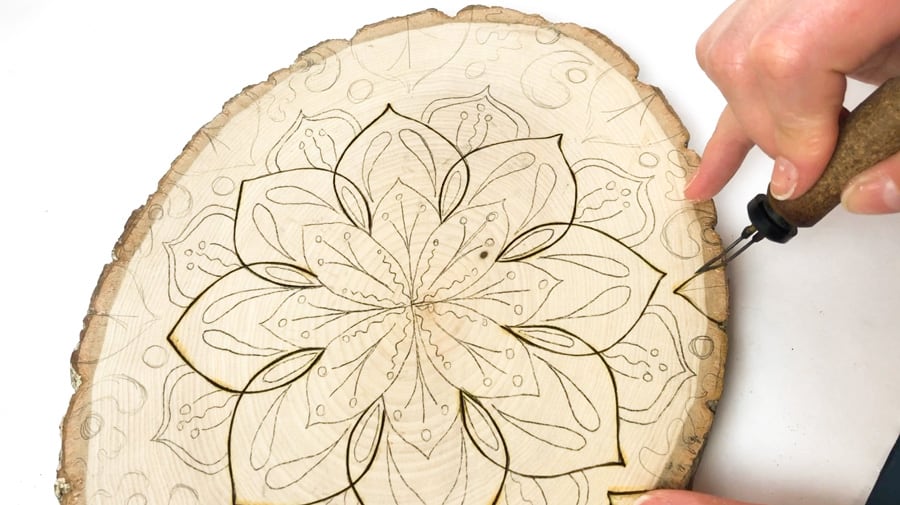
There are many different types of wood-burning pens. However, it is important that you find one that fits your hand well and is easy for you to use. You may find wood burning pens that come with accessories such as a pyrography stand. This helps keep the hot pen off your work surface, and out of harm's path. These stand-up tools make it easy to pick up the pen and prevent it rolling all over the place.
Work on a variety of surfaces
You can use wood burning pens to create beautiful designs on a variety of surfaces, such as walls, doorways, and more. They are safe to use and are able to produce a high level of detail. A wooden burning pen can be equipped with either a wire or solid tip. A solid tip uses a heating element in order to melt wood; a wire tip uses heat from a wire. Although both are useful for different purposes most craftspeople prefer wire tips. The wire tips are usually more expensive but have a professional appearance.
The tip of a wood burning pen is made from fine wire and can be bent to various shapes. However, replacement tips are readily available for brass tips that are more susceptible to breaking. Ballpoint pen tips with rounded ends are better for beginners as they are easier and more manageable. You can learn to use finer tips such as the needle-point one, but only after you have gained experience. This tip can be used to make small details or signatures on wood. However, it requires a lot more control. If you aren’t careful, you could damage the wood.
Be careful not to burn treated wood
You must take the necessary safety precautions when using wood burning pen. Wood burning pens can reach temperatures up to 1832°F. The human body is at risk from the heat produced by wood burning pens. Wood burning also emits toxic fumes. You should work in an area that is well ventilated and protected. When working with large pieces, use an extractor fan.
Set up the pen correctly is the first step. It is better to work in small sections rather than in long lines. This will allow you to practice with various tips and different pieces of wood. It is also possible to experiment with the temperature of wood-burning pens. Higher temperatures will produce brighter results. Lower temperatures will result in darker shades. A wood burning pen that is too hot may have holes.
Interchangeable tips
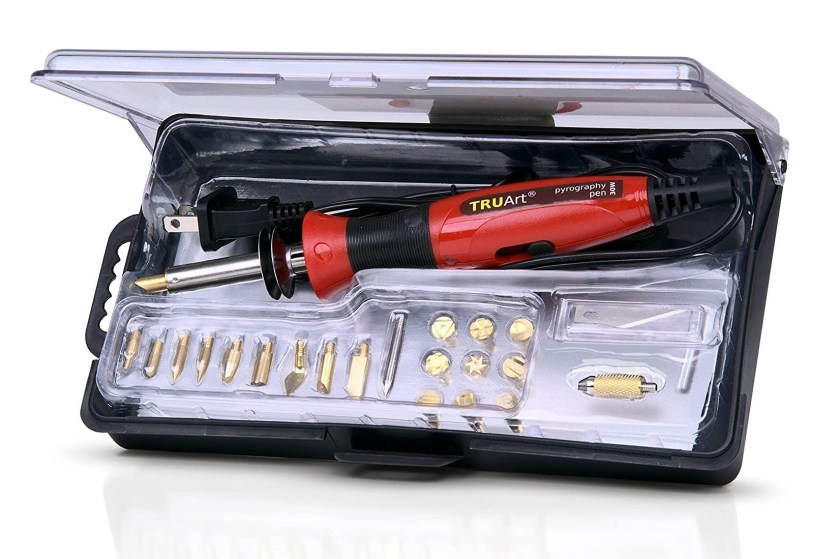
Interchangeable tips are one of the greatest features of wood burning pen. Some pens can be equipped with interchangeable tips. Others have fixed tips. The only difference between these types of pens lies in the size of their tips. Smaller tips are easier to manage, while larger tips can be more difficult to clean up. There are two types of pens: round and needle point. Needles are helpful for signing signatures or intricate details. But they can be dangerous if not used with care.
There are many reasons why you might choose interchangeable tips when using a wood burning pen. You should first choose the right tip for the wood you are using. You also need to consider the speed you work at. Different wood-burning pens have different styles and speed. While the flat tip is best for rounded surfaces, bent tips are better for concave surfaces. Finally, select the tip that is best for your type and wood.
You can achieve the perfect temperature
To ensure the best temperature for your wood burner pen, there are a few things you should do. These steps include preparing the wood, choosing your tip, plugging in your pen to an electrical outlet and waiting for its temperature to reach the ideal range. The wood will then be able to burn the design. Once the pen is hot enough, you can start dragging the tip across the surface of your wood. Once the design is complete, you can clean it using a brush, sponge or file.
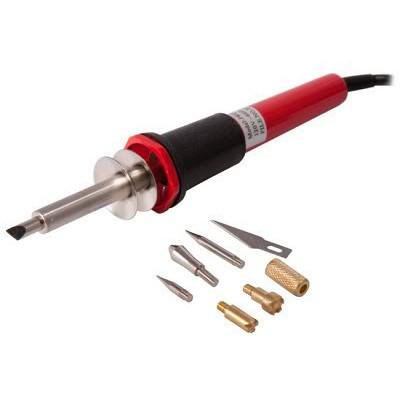
Different woods need different temperatures. You should use a lower temperature for softwoods than for hardwoods. Choose a pen that has a temperature dial to ensure you are burning your wood at the right temperature. The temperature can be controlled by the pen. A temperature regulator will cost you twice as much or more than a wood burning pen. Be sure to read reviews about different pens before you decide on the one that is best for you.
FAQ
How much money do you need to get going?
Since every project differs, it is impossible to give exact numbers. Consider these factors if you need to estimate the amount of money that you will require.
-
Cost of materials
-
Tools and equipment
-
Time spent working on this project
-
Hourly rate
-
How much profit can you anticipate to make
-
Whether you plan to hire help
For those just beginning, it may be a good idea to start small with simple items like boxes and picture frames. As you gain more experience, you will be able tackle more complicated projects.
What would you recommend as a starting material for woodworking?
Start off with softwood like pine and poplar. These two are the easiest to master, then you can transition to hardwood.
Is it possible to learn woodworking by yourself?
Learning by doing is the best way of learning anything. Woodworking is an art form that requires patience, practice, skill, and experience. Mastering any craft takes time.
It is the best way to learn to do something is to actually do it. Start small and then build upon what you've learned.
What kind of tools are used to carpenters?
Carpenters most often use a tool called a hammer. A hammer is used for pounding nails into wood. This helps to keep pieces together when they are working on a project. Other tools include clamps. pliers. screwdrivers. measuring tape. pencils. saws. drills. wrenches.
Statistics
- In 2014, there were just over 237,000 jobs for all woodworkers, with other wood product manufacturing employing 23 percent; wood kitchen cabinets and countertop manufacturing employing 21 percent. (theartcareerproject.com)
- Woodworkers on the lower end of that spectrum, the bottom 10% to be exact, make roughly $24,000 a year, while the top 10% makes $108,000. (zippia.com)
- If your lumber isn't as dry as you would like when you purchase it (over 22% in Glen Huey's opinion…probably over 10-15% in my opinion), then it's a good idea to let it acclimate to your workshop for a couple of weeks. (woodandshop.com)
- The U.S. Bureau of Labor Statistics (BLS) estimates that the number of jobs for woodworkers will decline by 4% between 2019 and 2029. (indeed.com)
External Links
How To
How to join two pieces of wood together without nails
Woodworking is an enjoyable hobby. It is relaxing and enjoyable because you can create something useful with wood. You might want to join two pieces from the same wood, but you don't need to use nails. This article will teach you how to do this to keep your woodwork projects looking great.
Before you can join the wood pieces together, you need to remove any rough edges. Sharp corners can cause problems down the line. After you have completed this step, you are ready to glue your boards together.
When working with hardwood, glue should be applied only to one side. Use glue on both the sides for softwoods, such as cedar or pine. Press the boards down until the glue is fully incorporated. Make sure you let the glue dry before moving on to the next step.
After you have glued your boards, drill holes where you want to insert screws. Depending on the type of screw that you use, the size of these holes will vary. If you plan to use a 1/2 inch wood screw, drill a hole at least 3/4 inches in depth.
Once you have drilled your holes you will need to drive the screws through each joint and into the backside. You should be careful not to touch the board's front surface. This could cause damage. Be careful not to drive the screws too hard at the ends. This will help prevent splitting of the end grain.
Now that your project is finished, you'll want to protect it from the elements. You can either seal the entire piece of furniture or cover the top. You want it to last years, so you can use any product. Oil-based varnishes are, among others, polyurethanes shellac, laquer, and other oil-based products.
These products are available at most home improvement stores. Make sure you get the right product for your job. Remember that some finishes can be toxic, so you should not use them indoors. Protective gear should always be worn when handling these finishes.